The right flower bed edging can instantly give your garden a more finished look while holding mulch in place, separating planting beds from the lawn, and creating a cleaner shape without feeling too formal.
Natural stone, timber, brick, pavers, metal, and concrete each bring a different style, with some better suited to soft cottage gardens and others ideal for crisp front yard borders, curved garden paths, or low maintenance landscaping.
Uniform Curved Paver Stone Edging

The lawn and planting area stay clearly separate with this edging. Uniform paver stones run around the flower bed, creating a crisp, orderly appearance and a clean edge.
Raised Stone Garden Edging
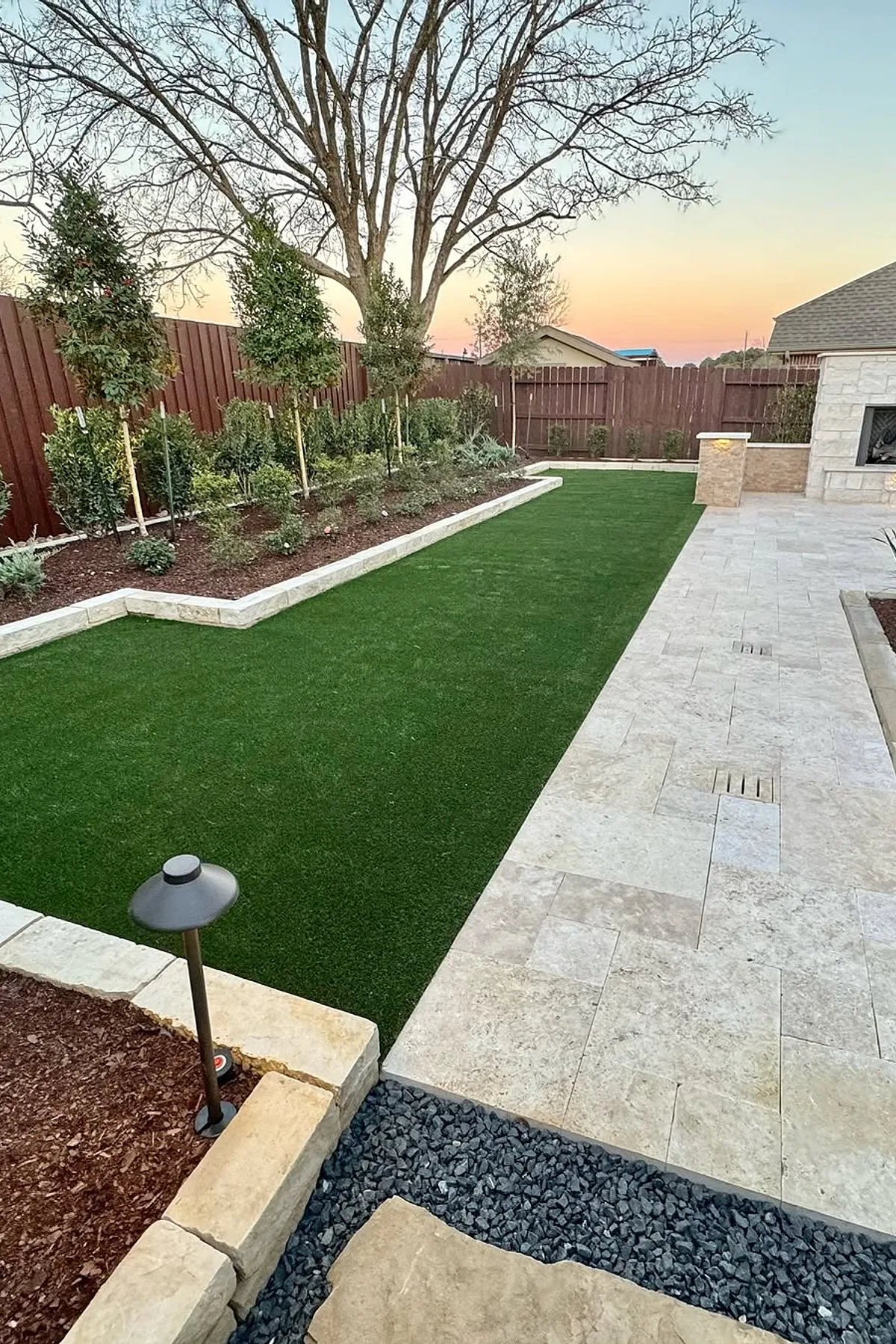
A raised stone edge outlines the yard with an architectural shape. It gives the garden a structured feel, supports clean lines, and suits modern landscapes where low maintenance is important.
Block Garden Border
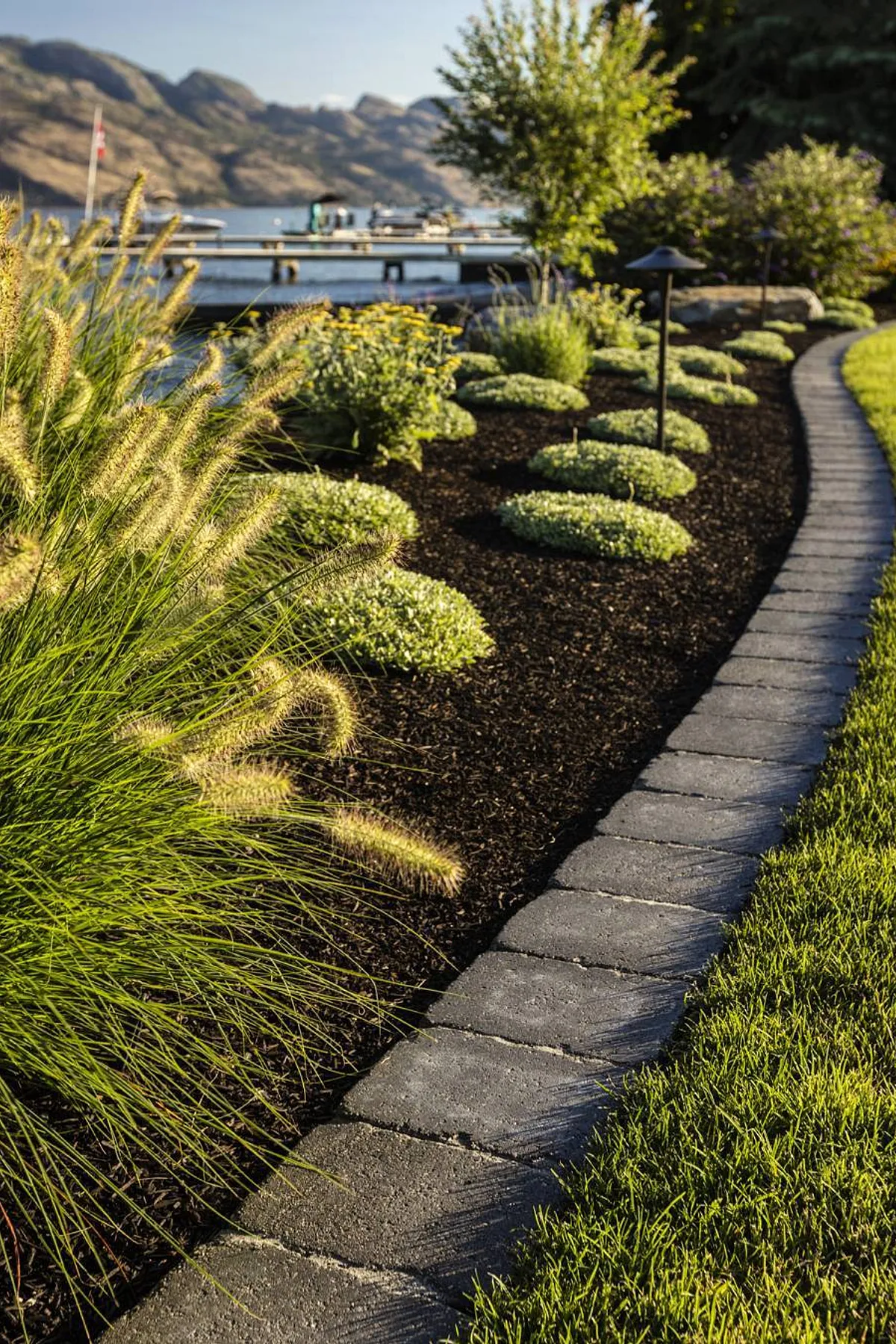
Concrete edging follows the curves of the landscape, so it works in both casual and formal gardens. It separates a colorful planting bed from the lawn while creating a natural-looking transition, and its uniform shape supports a clean appearance.
Rustic Stone Garden Border
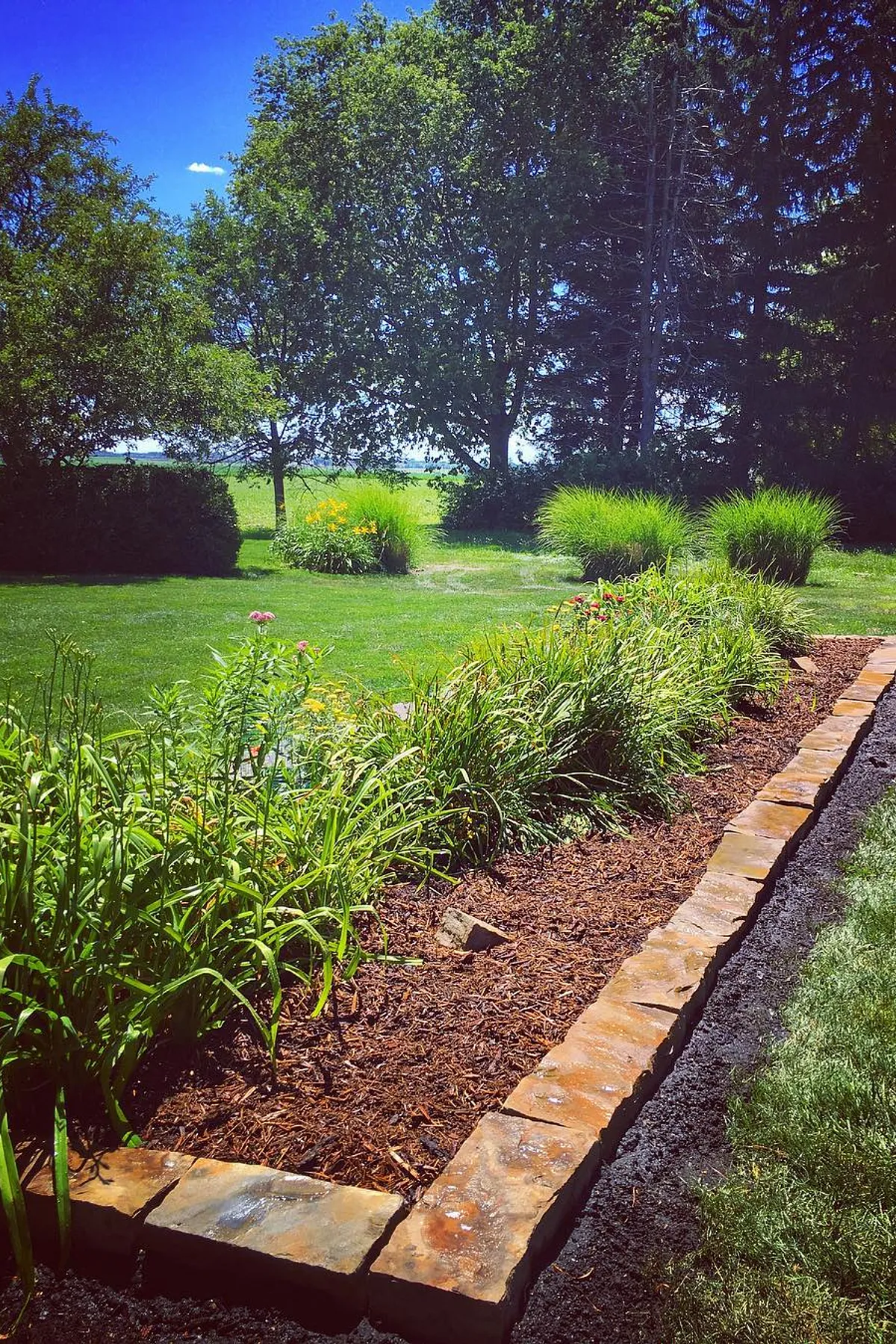
Irregular stones in warm earth tones give this edging a natural surface. Stone edging is durable, suits informal landscapes and country-style gardens, and is easy to maintain.
Layered Stone Garden Border
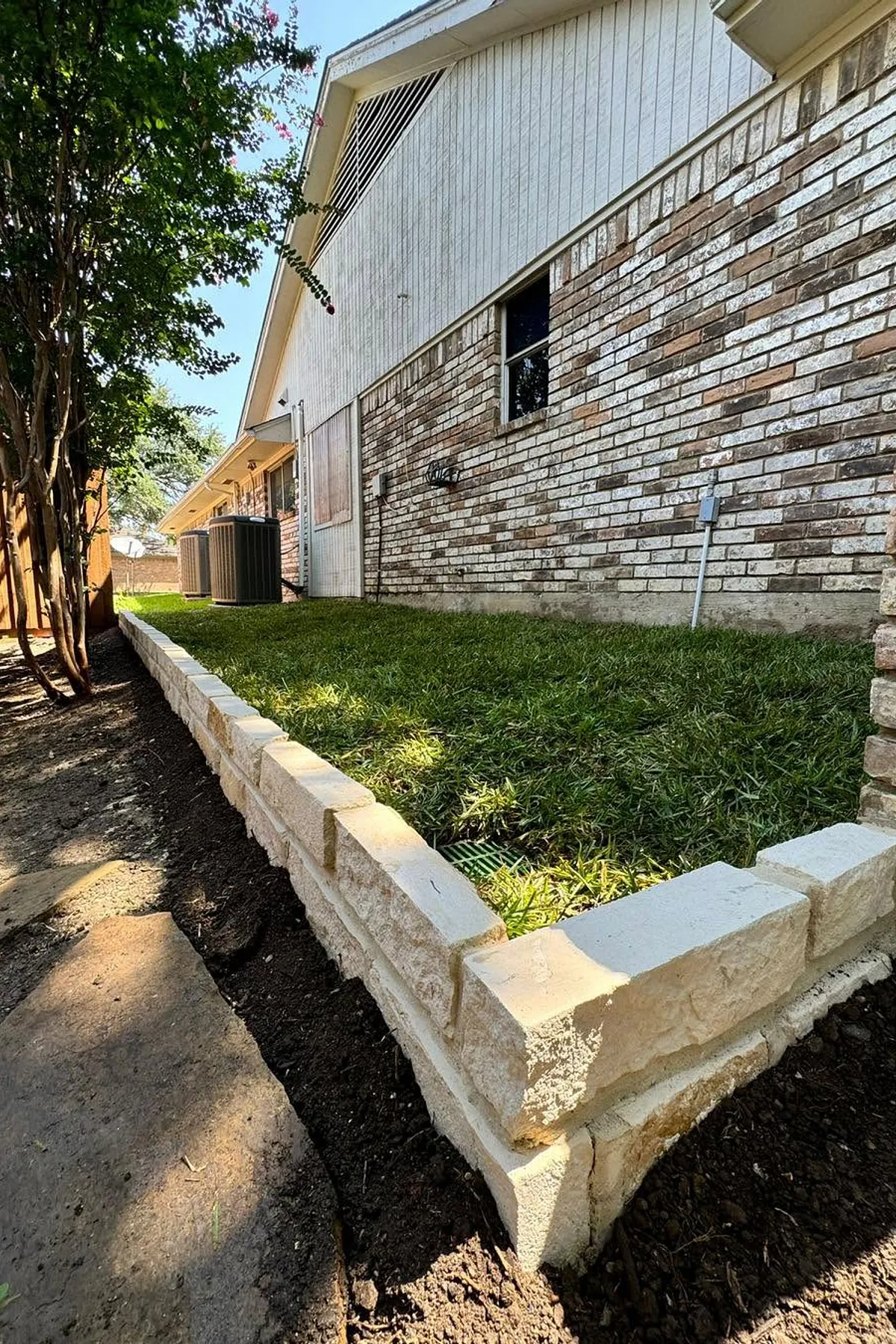
Around a garden bed, stacked stone blocks separate the planting area from the lawn. The layered edging adds landscape weight and provides a polished finish, while the extra height gives the border more structure and visual presence.
For stone border inspiration, explore ways to use stone around planted beds, walkways, and lawn edges. These ideas bring garden edging into one place while showing how the material can shape each area.
Rust-Toned Steel Flower-Bed Border
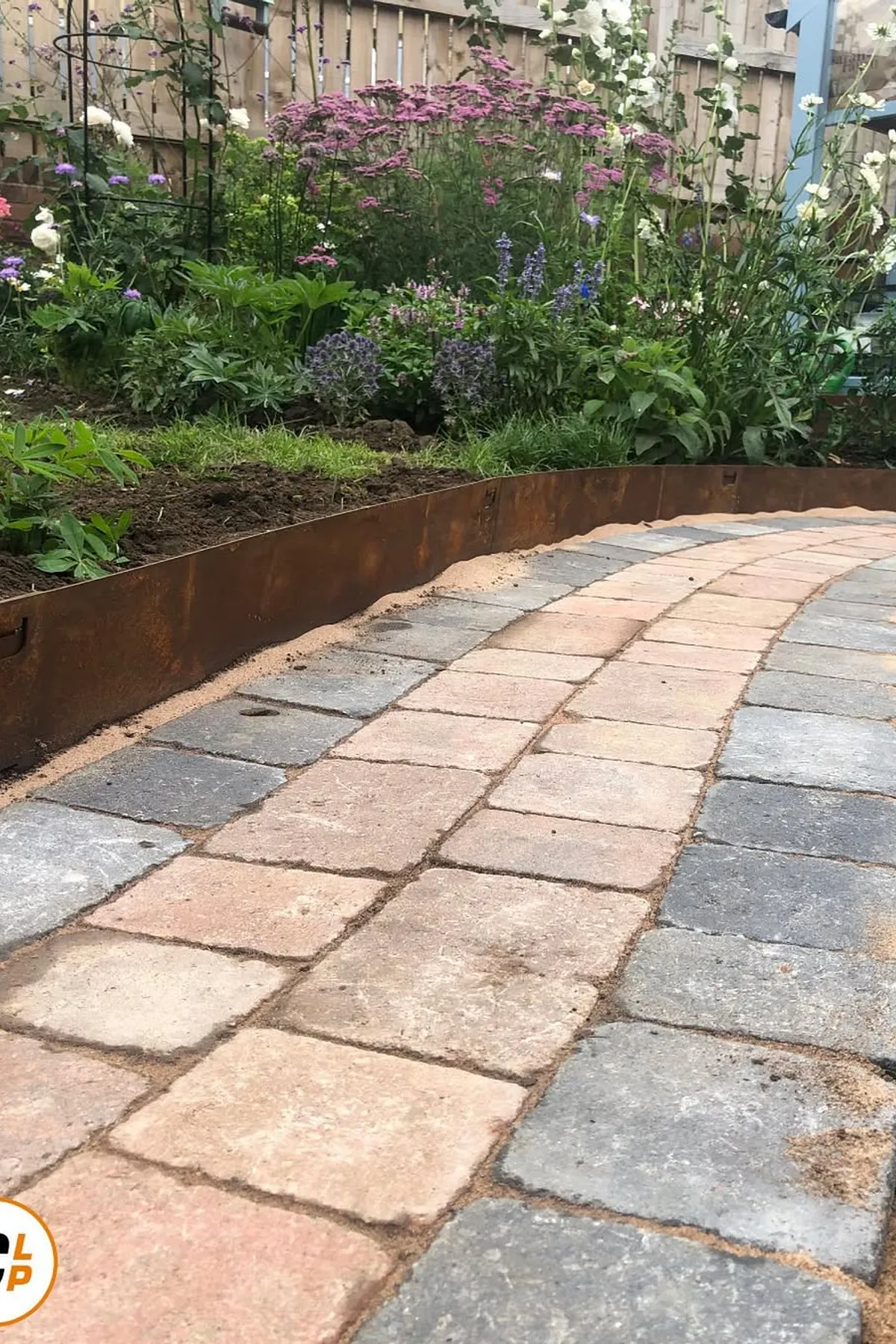
Around a flower bed, Corten steel edging creates a clear boundary with a contemporary look, while its rust-toned finish adds industrial character and blends with earthy garden colors. Over time, the steel forms a rich patina that helps protect it against corrosion.
Smooth concrete garden block edging
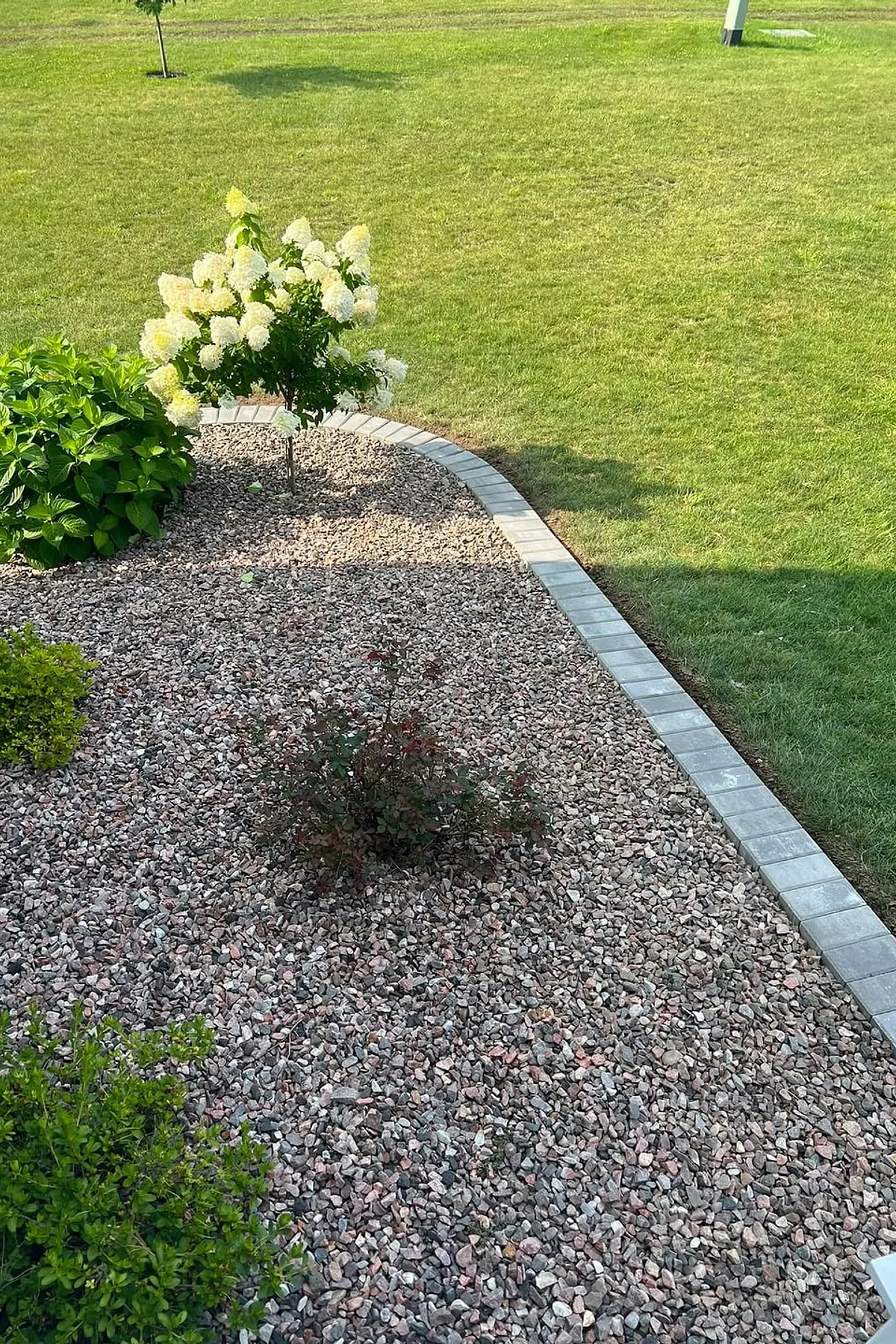
Light gray concrete edging has a smooth finish and an understated appearance. The durable concrete blocks require little maintenance and suit both modern and traditional landscapes.
Weathered Cobblestone Edging
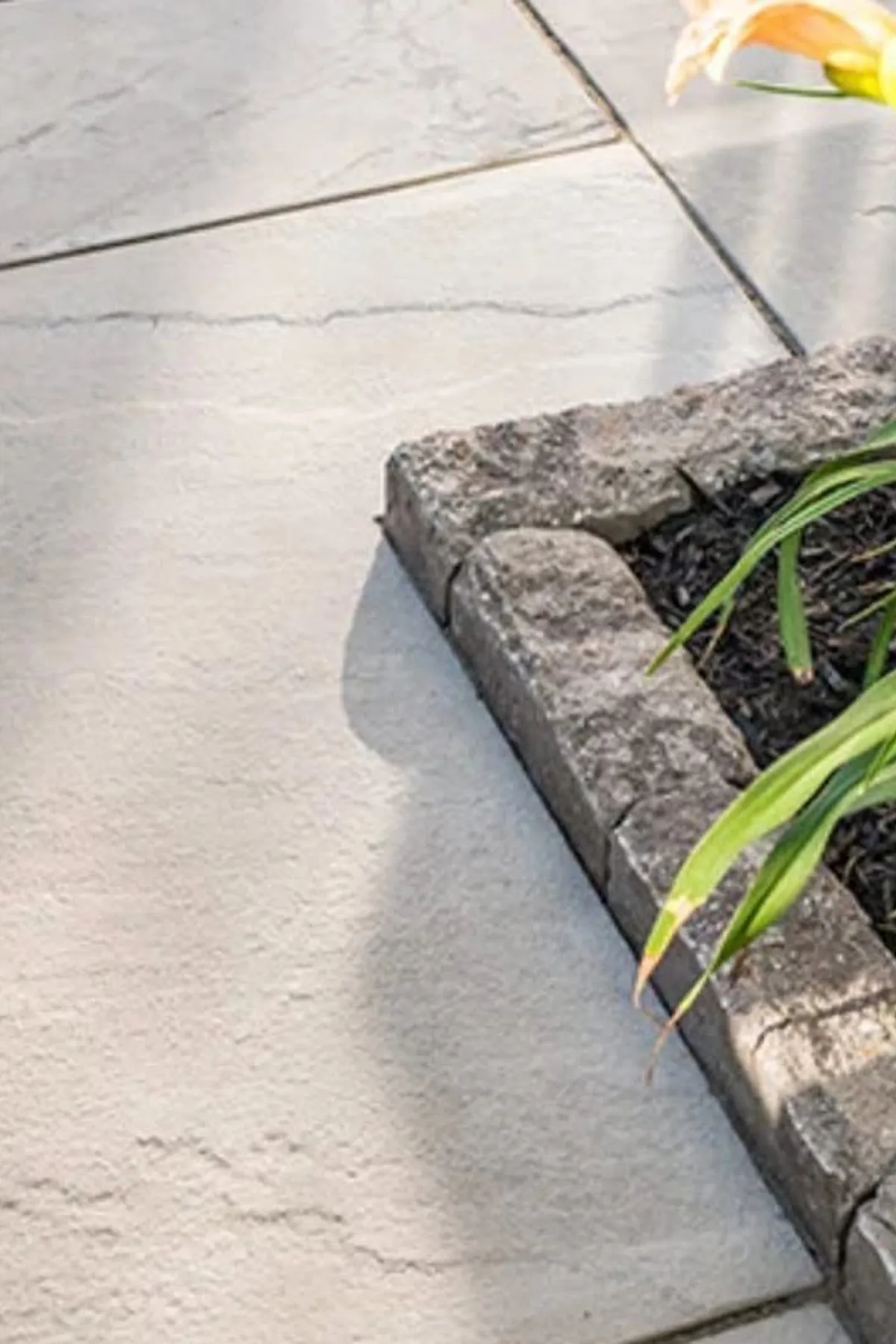
Rounded, textured cobblestones give the garden bed a sturdy edge. Their weathered, classic look suits cottage gardens and traditional gardens while evoking old-world style.
Curved Wood Garden Edging
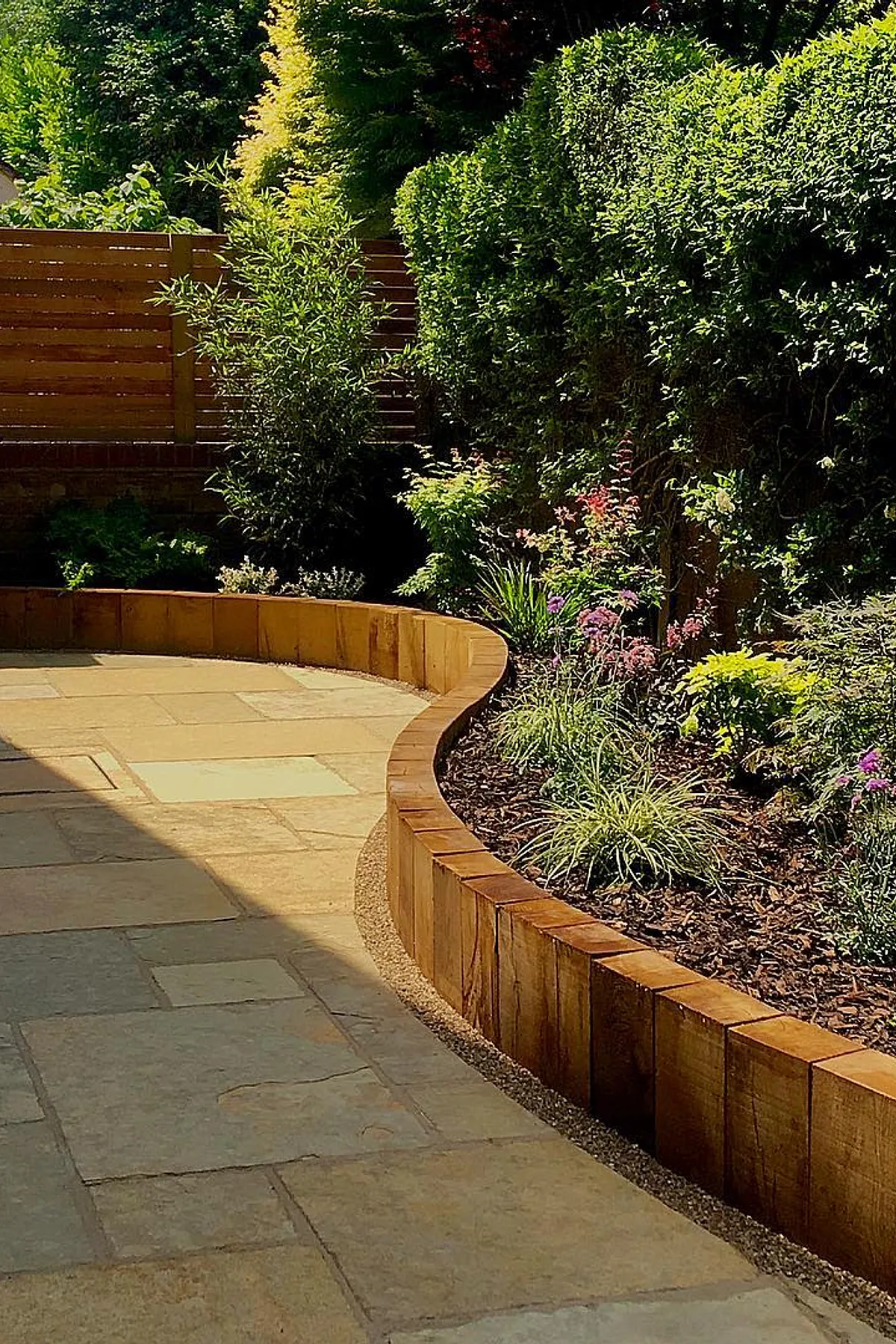
Curved wooden edging surrounds the garden bed and brings a natural, versatile feel. Treated lumber offers low maintenance and long-term use while retaining an attractive appearance, and the wood suits both modern and rustic settings.
A garden border can use natural edging made from timber or wood. It keeps the border grounded in a simple, natural style.
Crisp Black Concrete Edging
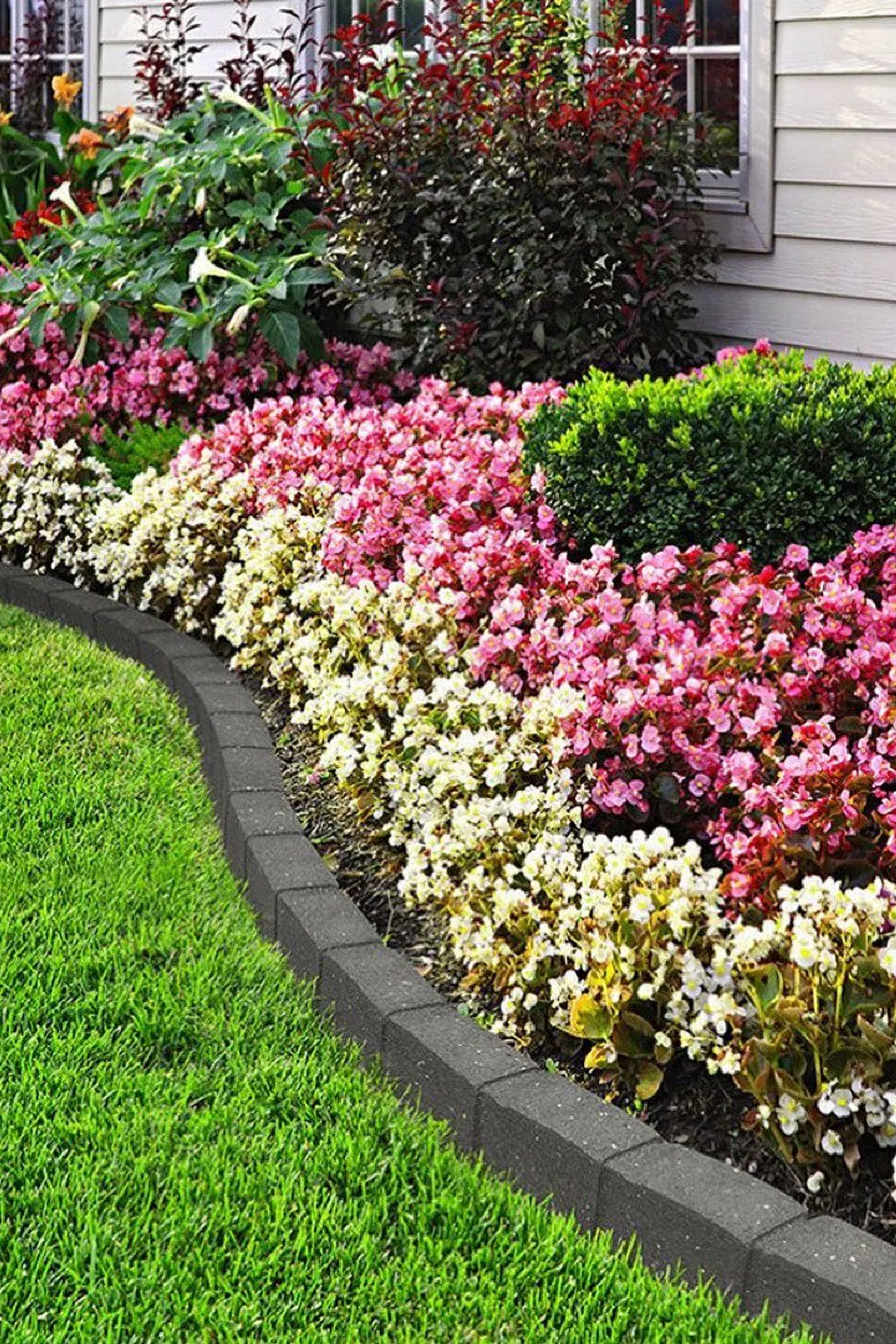
Black concrete edging gives the flower bed a dramatic finish and a crisp outline. It has clean lines, is hard-wearing, and offers long-term performance.
Low-Profile Garden Edging
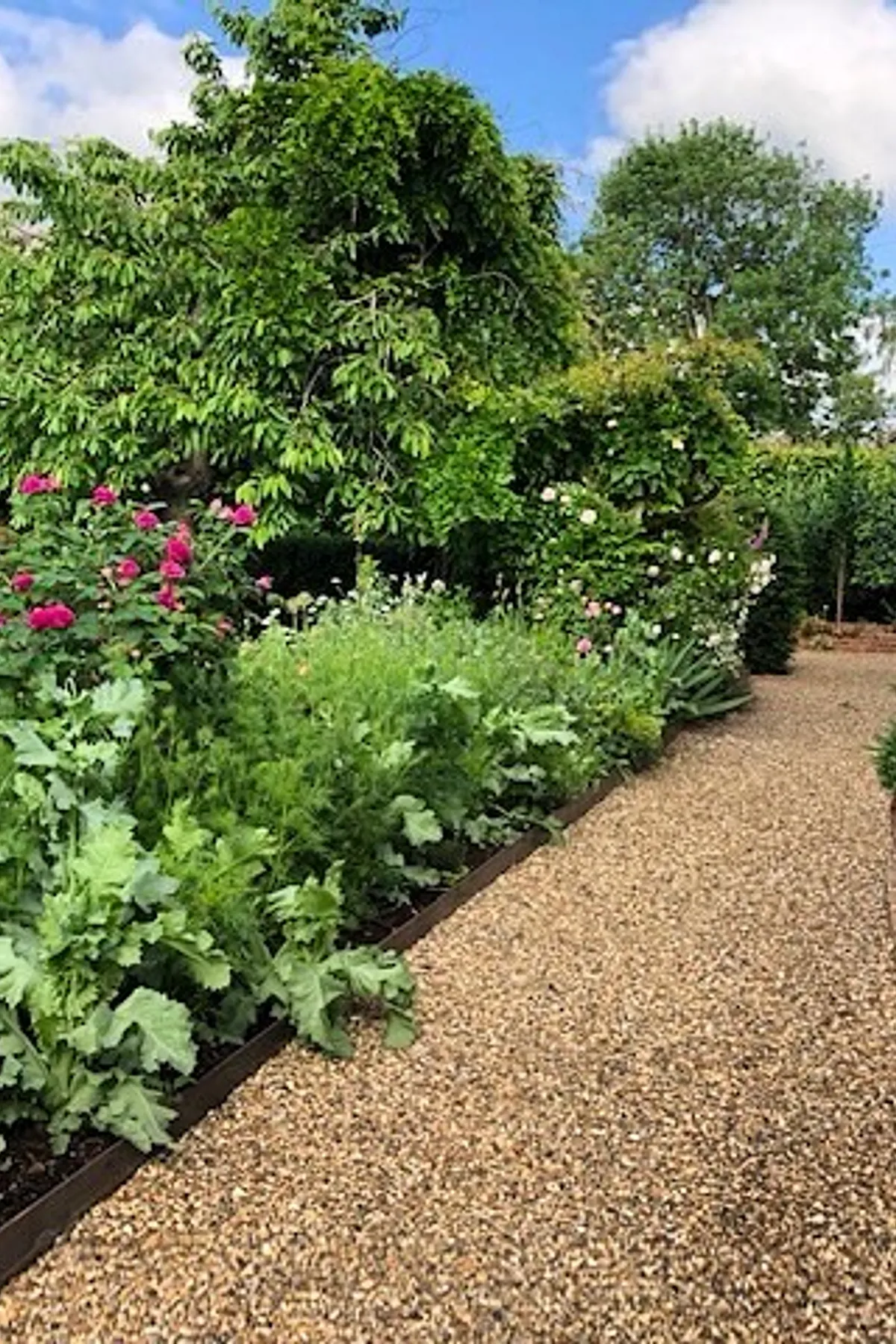
Low-profile edging comes in metal and vinyl, creating a small change in height that separates areas visually. It works as a visual divider rather than a heavy-duty barrier.
Faux Stone Front-Yard Bed
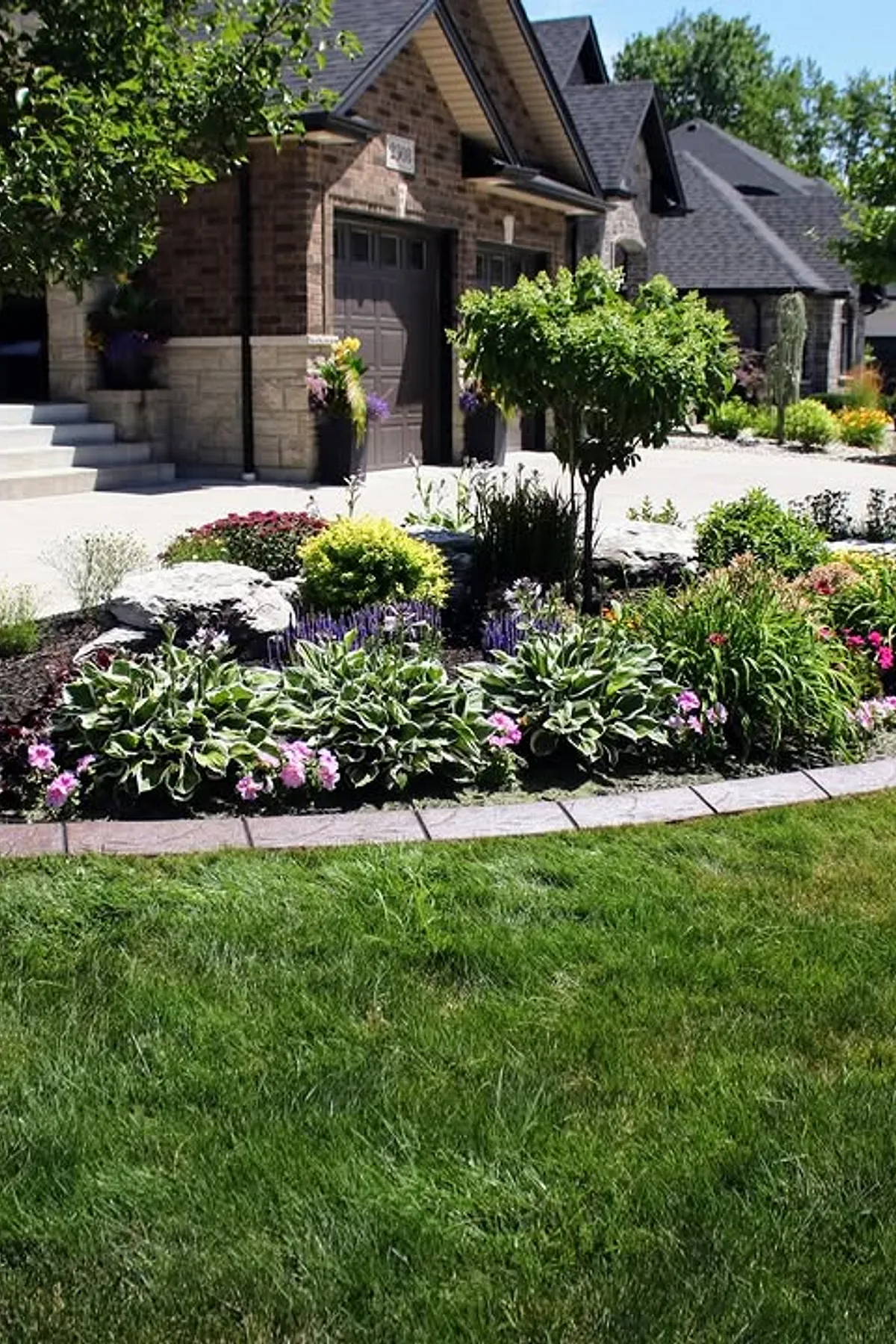
In a front-yard bed, faux stone edging can resemble real stone while costing less. It is generally easy to install, durable, and lightweight, with a variety of styles and colors to choose from.
Classic Natural Stone Edging
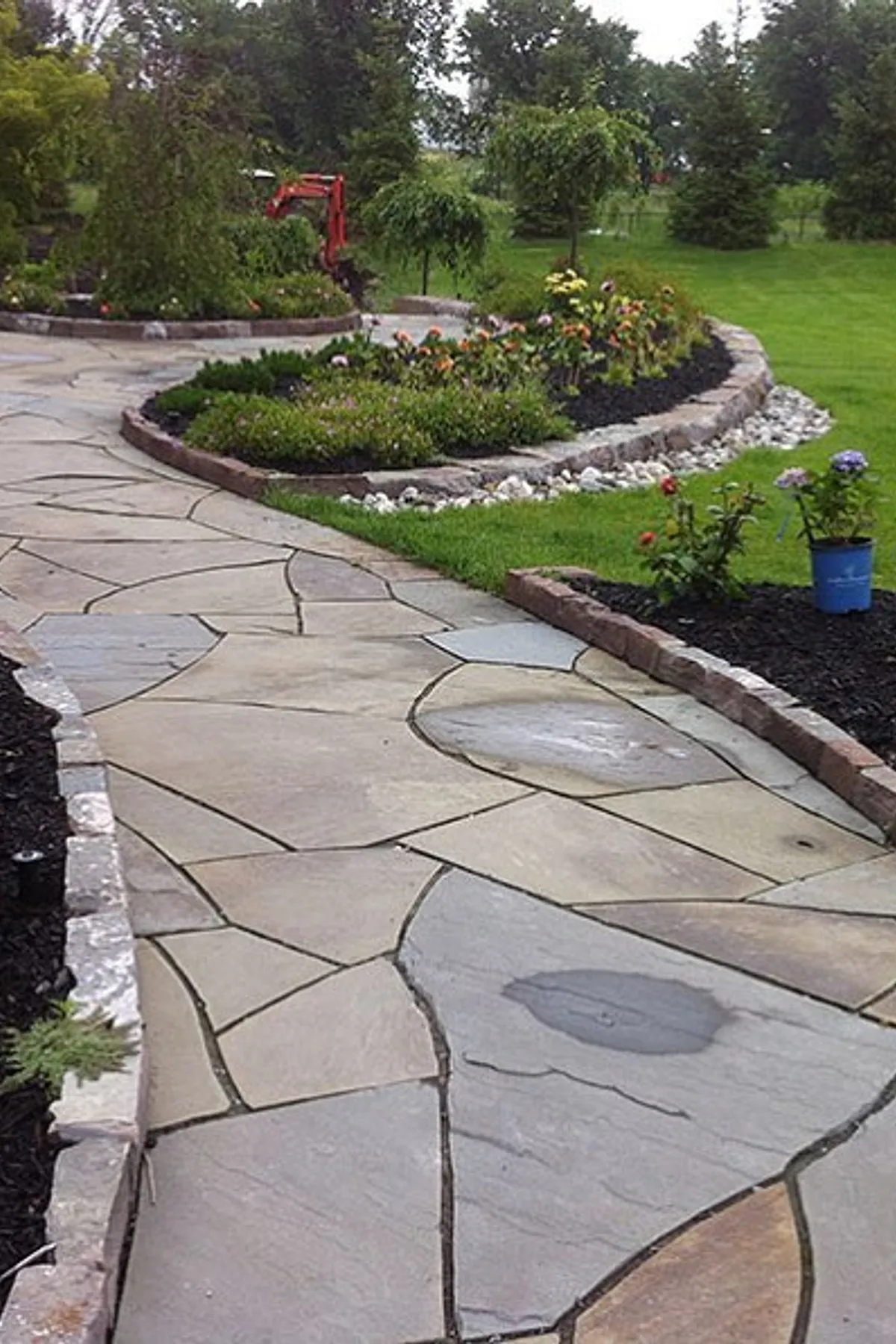
In traditional and modern landscapes, natural stone edging brings together organic shapes and varied colors. Its textured surface has a refined finish that suits both settings.
Nature Borders
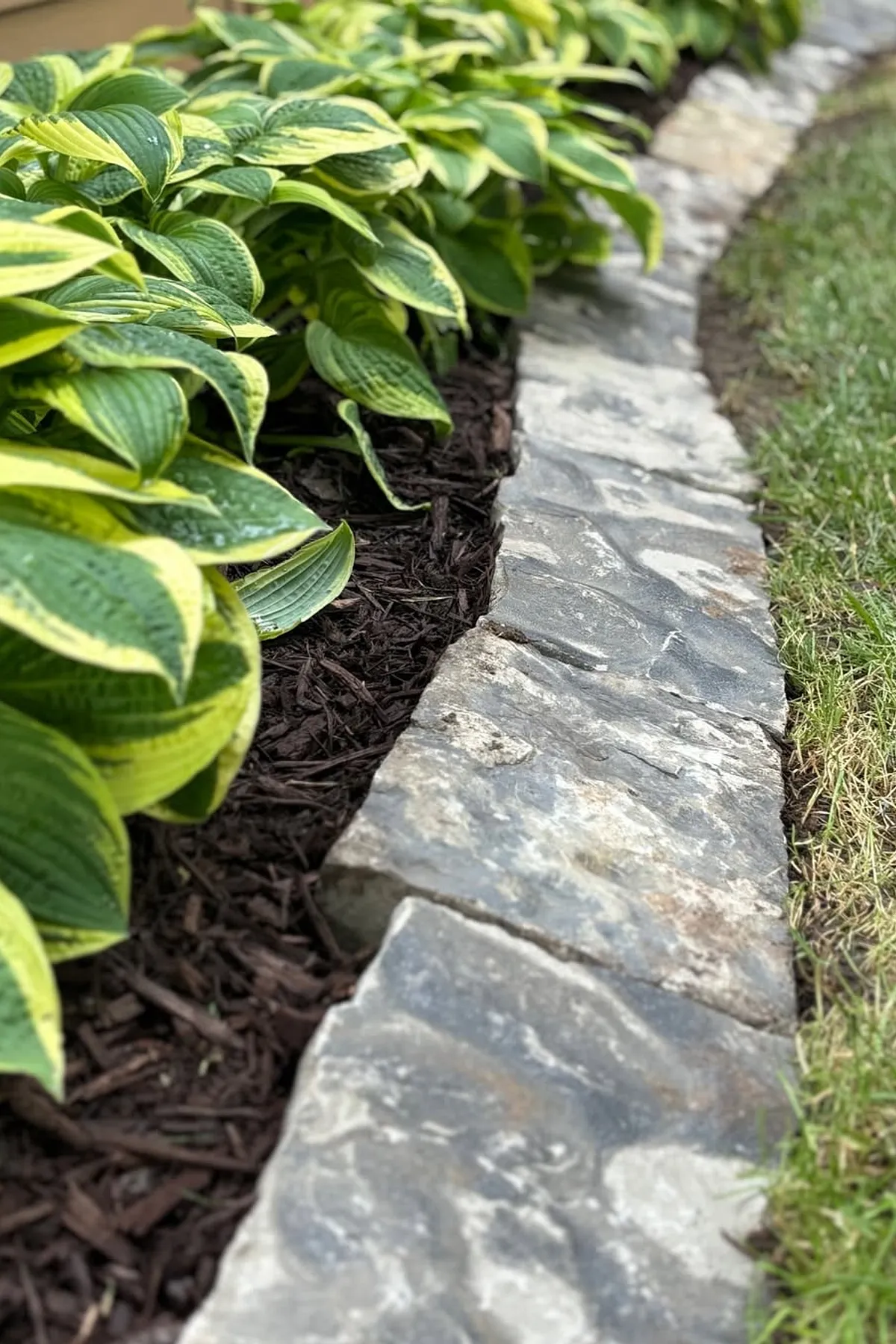
Around a flower bed, natural stone edging adds full character through irregular shapes and earthy tones. The rustic border has long-lasting durability, and its texture is long-lasting as well.