Choosing a fire pit starts with more than the look of the bowl or table. Wood, propane, natural gas, and gel fuel each bring different levels of heat, upkeep, and convenience, while the material, placement, seating, accessories, maintenance, and budget shape how the fire pit works in the space.
Fire Pit Types
The atmosphere you want is one part of choosing a fire pit. Your budget and the way you plan to use it matter too, so the right choice depends on all three.
Around the fire, a wood-burning fire pit gives you a campfire feel with strong heat and a crackling sound. It also produces smoke and requires cleanup afterward.
A small table or another nearby surface can hold the items you want close at hand. Gas or propane fire pits burn cleanly, light easily, and have the convenience of quick use, but they do not provide the smell or sound of burning wood.
A smokeless fire pit uses an efficient, modern design to reduce smoke. It works well on small patios and near close seating, which helps explain its increasing popularity.
A built-in fire pit can serve as the focal point of the space, but it has a higher cost and permanent placement. Compared with it, a portable fire pit is more flexible, easier to reposition, and easier to store. A built-in model is also more permanent and more costly than a portable one.
Fire Pit Fuel Types
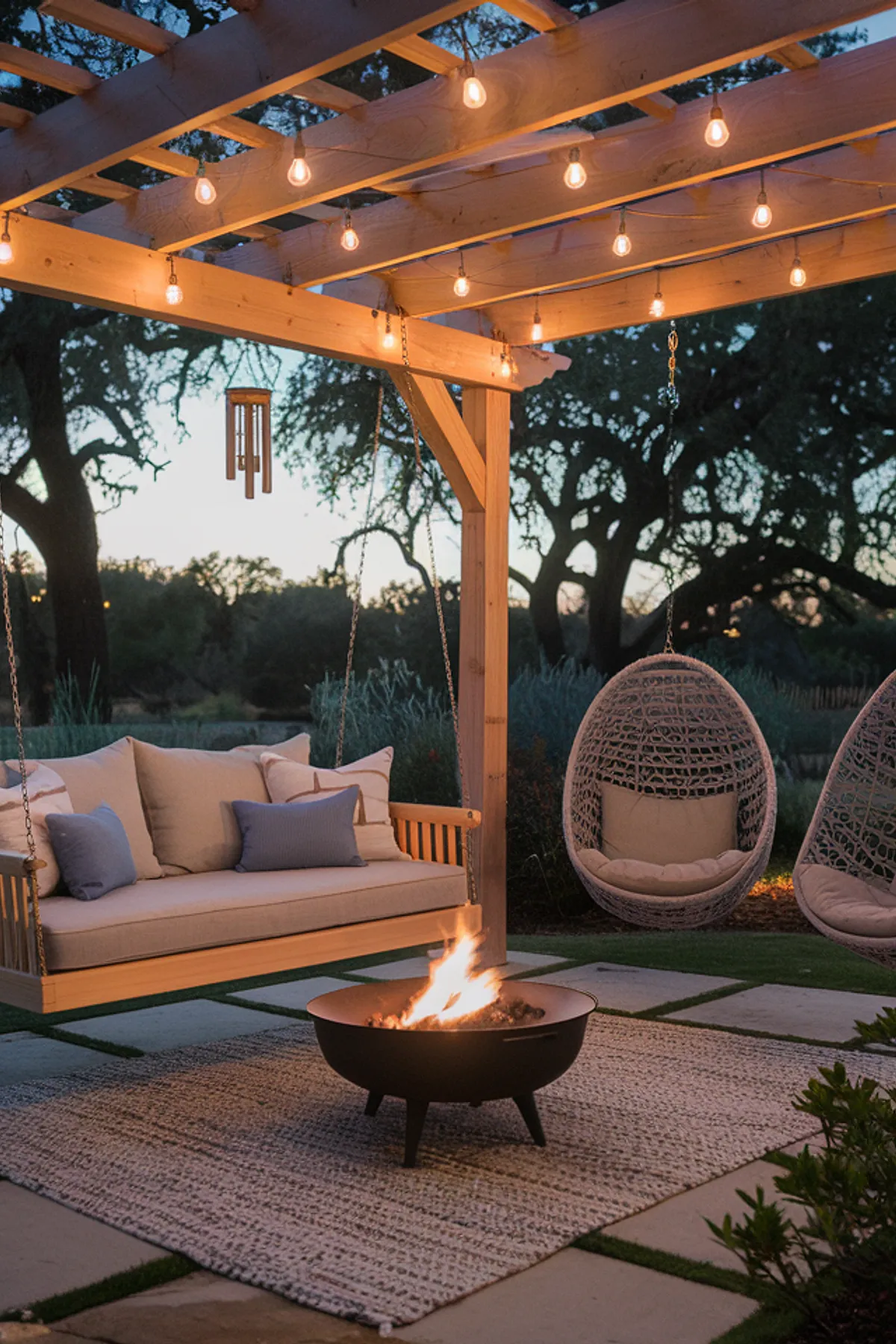
Maintenance is one detail to consider when choosing fuel. Fuel choice also affects heat output, so the best option depends on how much warmth and upkeep you want.
Wood fuel comes from a natural source and is affordable, but you need to buy and store wood for it. You can chop the wood yourself if you want. Burning wood produces smoke and ash.
Propane fuel burns cleanly and is easy to control. Refilling is part of using it.
A home gas line connects a natural gas fire pit directly to the house, so a tank is not required. The installation can be pricey.
Gel fuel has a small flame and low heat output, making it suited to ambiance and tabletop use.
Smokeless Fire Pit Value
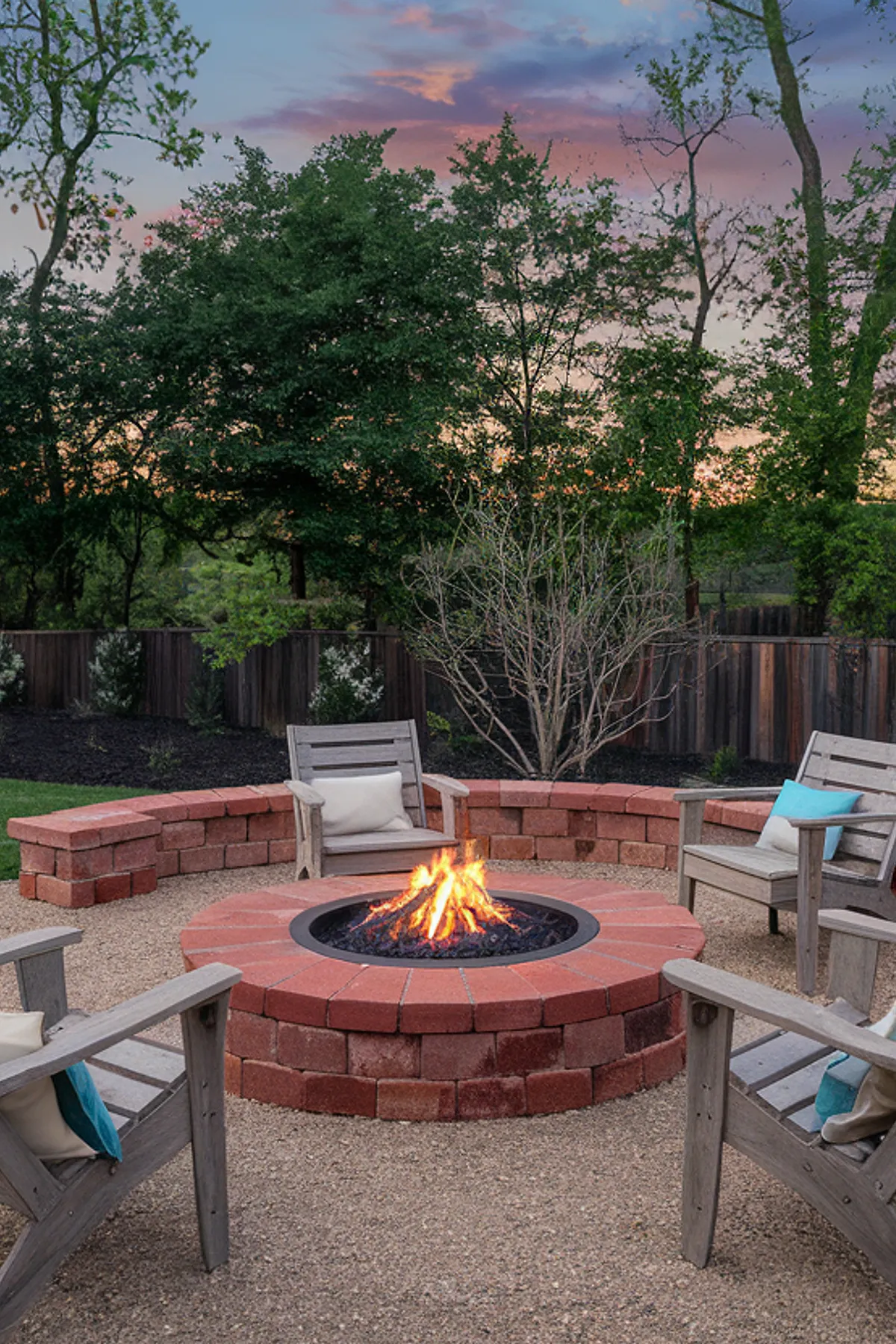
The engineered airflow in a smokeless fire pit uses reburning to handle smoke, although smoke can escape before that reburning happens. Once the fire is fully ignited, the pit produces less smoke than a traditional fire pit and reduces the campfire smell.
Fire Pit Materials
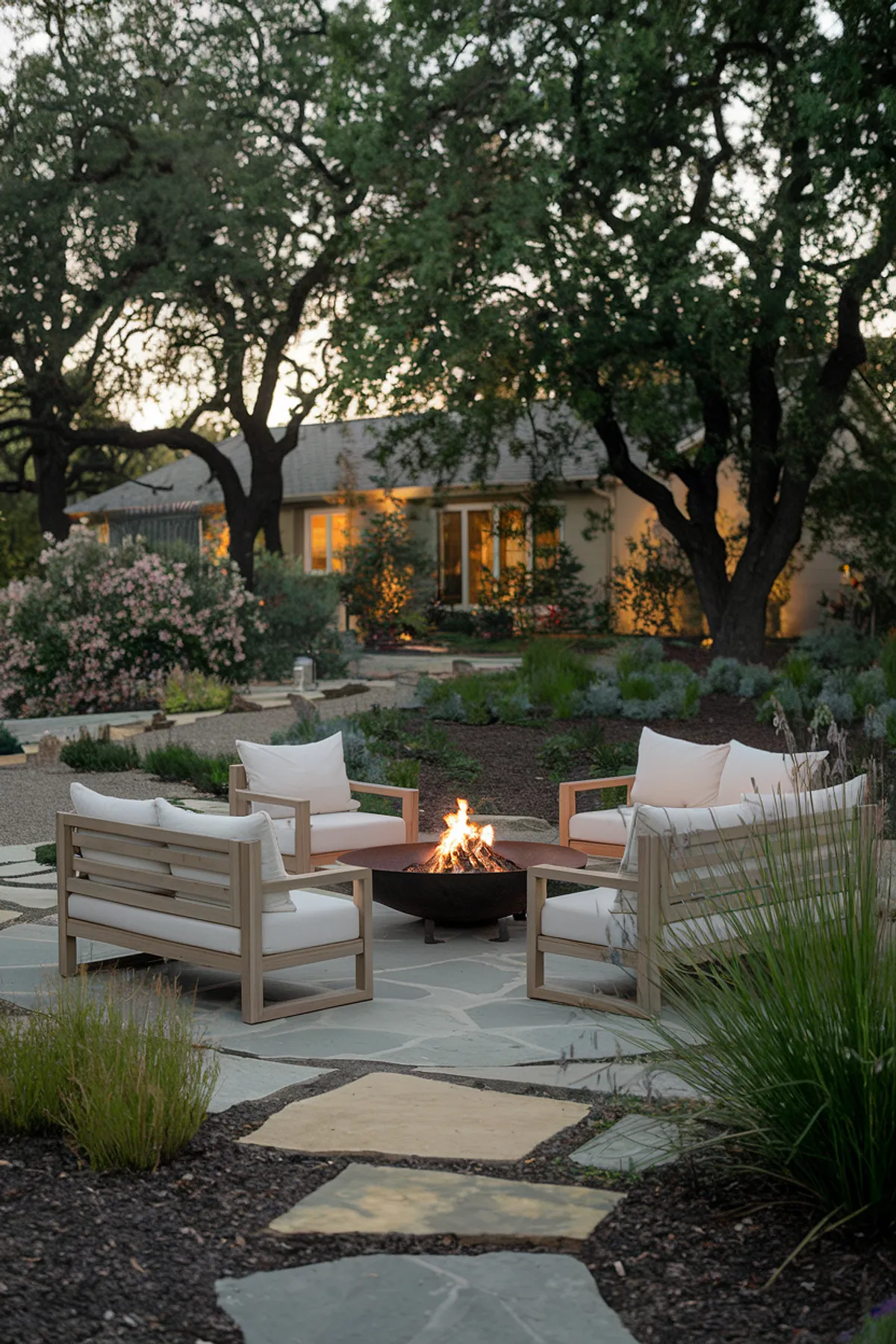
The surface and material of a fire pit affect how it looks, while the benefits of each material vary. Material choice changes both appearance and practical performance.
Cast iron has extreme durability and high heat retention, but it is heavy. Concrete and stone fire pits have long lifespans and high sturdiness, and both suit built-in use; stone also fits well into the landscape. Copper has a warm color and develops a natural patina, though it requires higher maintenance. Steel has a modern, sleek appearance but can rust, so use a coating or cover to help prevent rust.
Choose the material with the local climate in mind, especially for rainy or coastal areas. Rust-resistant material supports long-term durability in those conditions.
Fire Pit Placement

A concrete base offers high durability and solidity, while gravel and paver bases are safe and compatible with DIY setup. Use a safe, stable base for the fire pit because it reduces fire risk.
Keeping the fire pit away from overhanging structures reduces fire risk. Maintain distance from the house and trees as well, and for deck placement, use a deck-safe model with a heat shield or protective barrier.
Fire Pit Seating Layouts

An Adirondack chair has no cushions and low maintenance, while cushion-free seating can simply be wiped down as needed. A seating layout still needs to balance the desired atmosphere, comfort, and maintenance.
An outdoor sofa or cushioned chair creates cozy, lounge-friendly seating for stretching out and entertaining. This type of seating suits a relaxed layout, but it requires more maintenance.
Fire Pit Seating Layouts

For outdoor cooking, a fire pit can function as an outdoor kitchen with accessories such as grill grates, hot dog forks, and pizza stones.
Log holders keep firewood organized, while other storage solutions help organize fire pit supplies. Lighting such as string lights and lanterns adds a warm glow.
Seasonal Fire Pit Maintenance
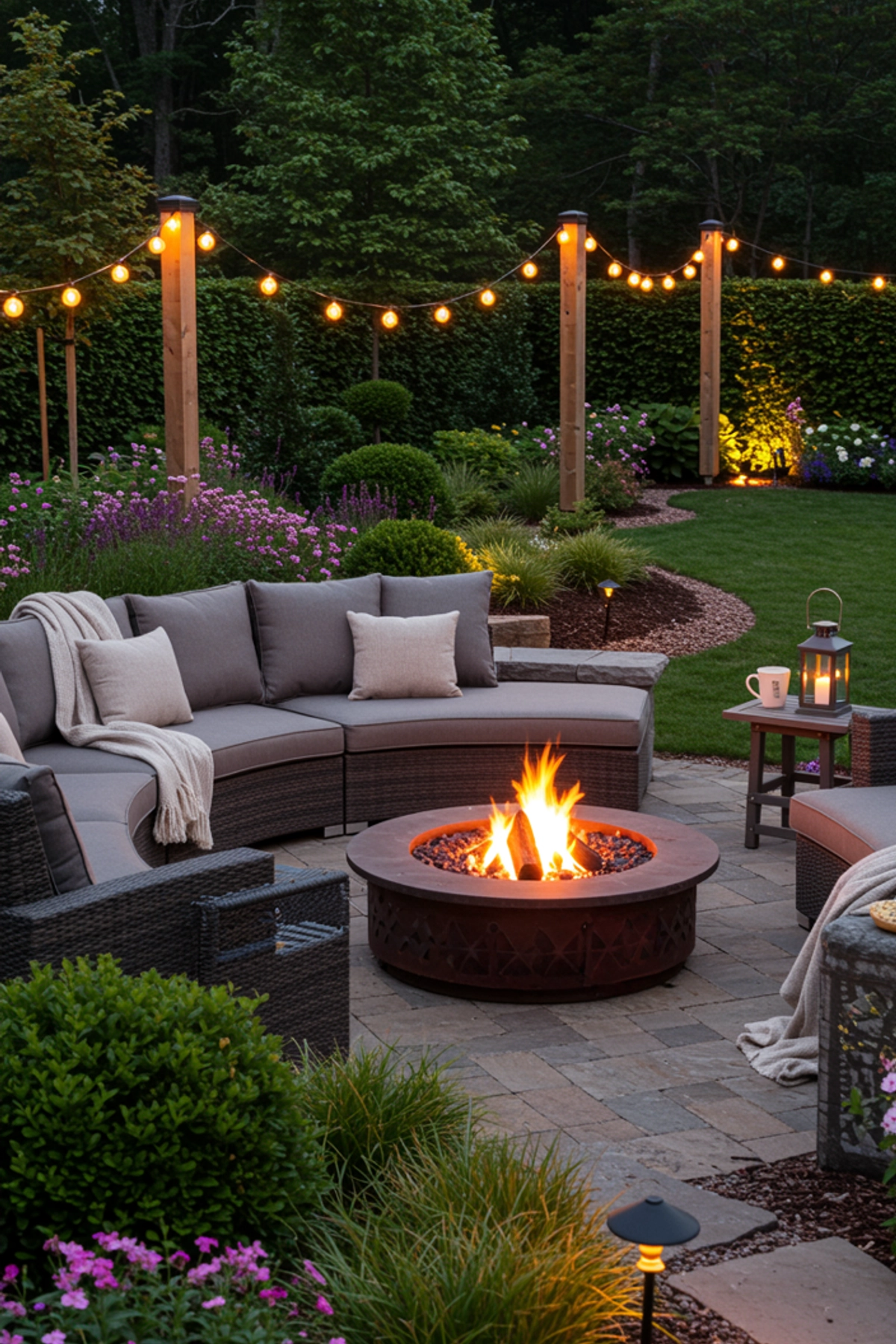
Fire pits perform better and last longer with regular maintenance. On a gas model, wipe the fire pit clean and inspect the gas lines, while wood models need their ash or debris cleaned out after each use. Keep the pit covered when it is not in use, especially during wet weather, and give concrete or stone a new seal every few years when needed.
Fire Pit Budget and Cost Ranges

Budget fire pits cost $100-$300 and include portable wood and portable gas models made from steel or lightweight metal. Mid-range options cost $300-$800 and include smokeless models and small built-ins made with nicer materials. High-end choices start at $1,000+ and include custom stone fire pits, gas-line installations, and other backyard installations that may include gas lines.
Seating, fuel, and accessories add to the cost of a fire pit. Start small in the outdoor space, then expand gradually as needed.
Fire pit planning supports safety and durability. The fire pit can function as the centerpiece of outdoor living, with a rustic, sleek modern, or intermediate style direction.
Outdoor fire feature ideas for evenings spent around a fire pit.
Last modified: May 14, 2024